
PROPELLER
TECHNOLOGY
PROPELLER
TECHNOLOGY
fleXer propellers are built in one coherent loop:
FROM DESIGN
TO A FINISHED PROPELLER
FROM DESIGN
TO A FINISHED PROPELLER
We work in clear, iterative stages. Each stage affects eometry, mass, balance, smoothness, and durability.
We work in clear, iterative stages. Each stage affects eometry, mass, balance, smoothness, and durability.


DESIGN
DESIGN
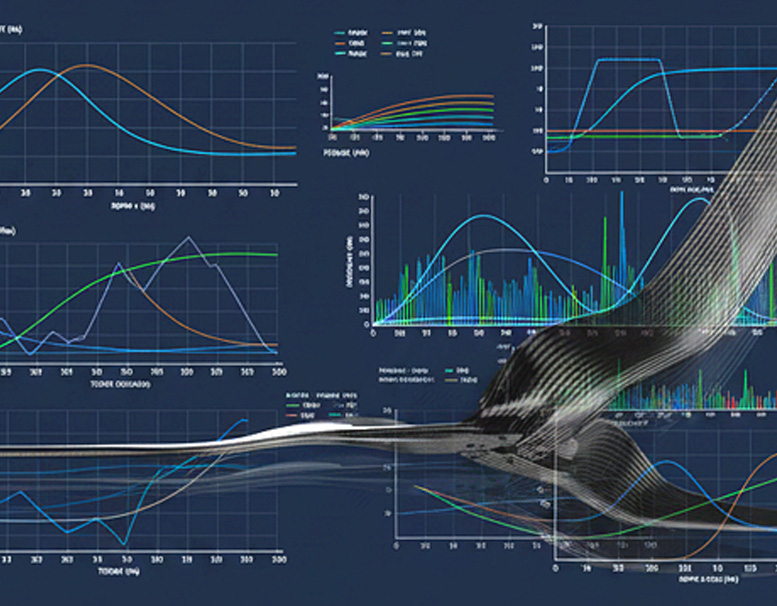
1
OPEARATION SCHEME AND REQUIREMENTS
We start with the mission profile: speeds, RPM, priorities (thrust, efficiency) and installation constraints.
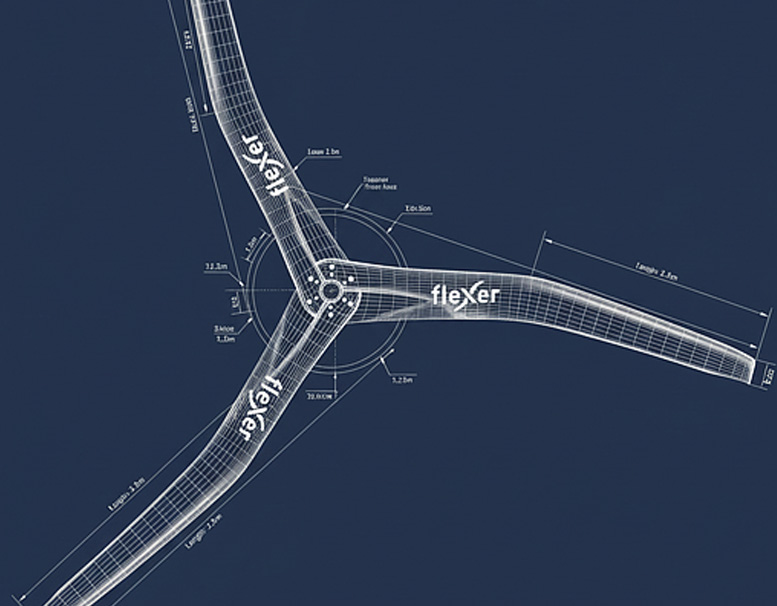
2
BLADE GEOMETRY AND STRUCTURE
We shape geometry and structure so the propeller performs efficiently across required operating scheme.
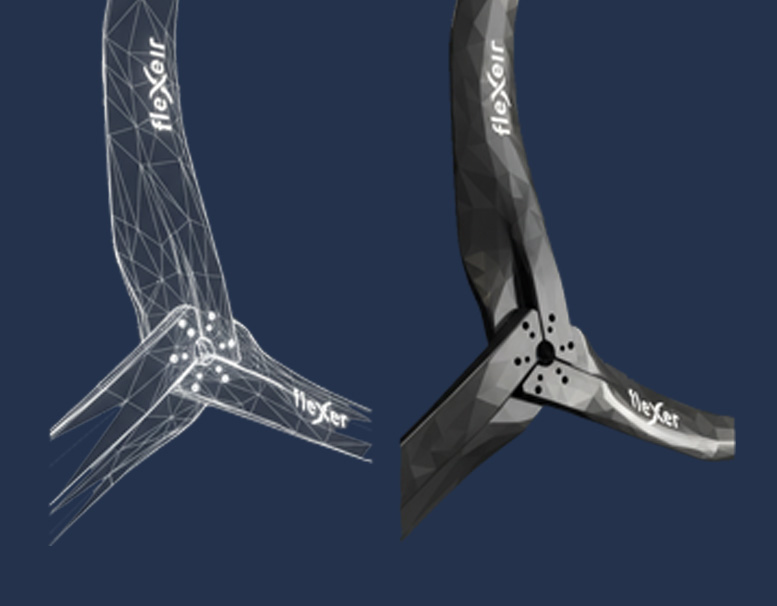
3
3D MODEL AND MANUFACTURING READINESS
We build the 3D model and prepare it for composite manufacturing.
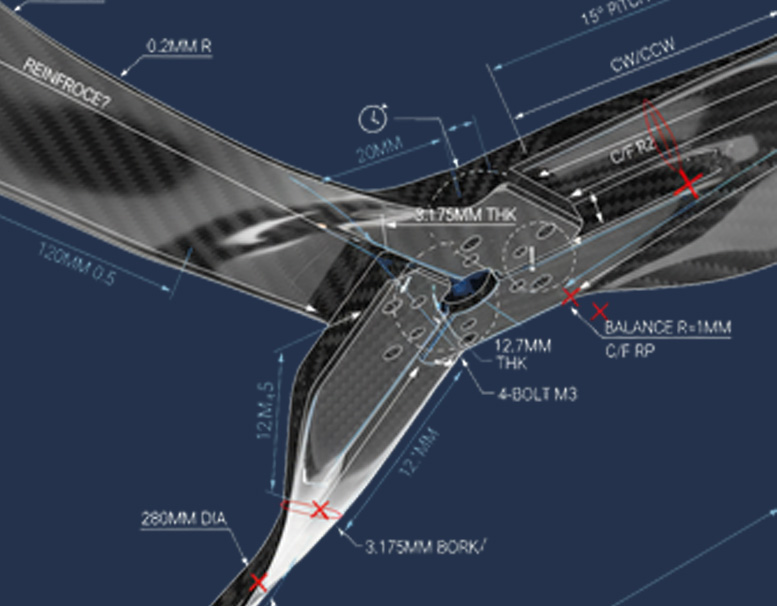
4
OPEARATION SCHEME AND REQUIREMENTS
We start with the mission profile: speeds, RPM, priorities (thrust, efficiency) and installation constraints.
COMPOSITE
MANUFACTURING

COMPOSITE
MANUFACTURING
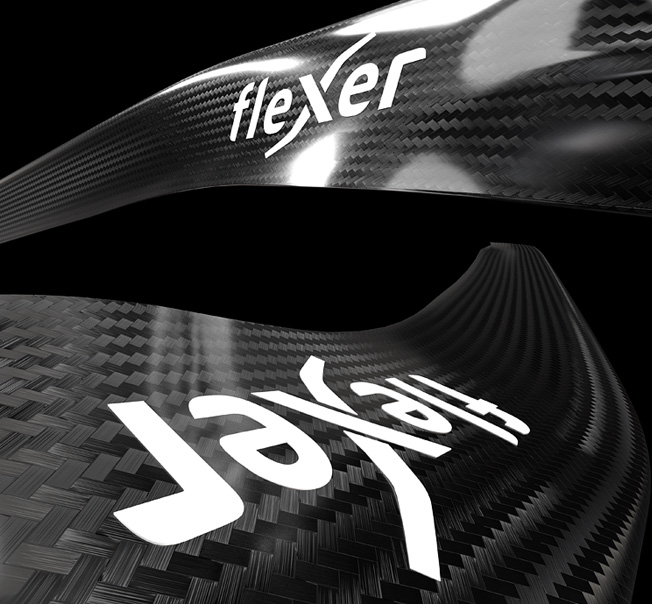
Materials and Layup
Composites allow low mass combined with strength and precise geometry.
Closed Mold
We use closed molds to maintain repeatability and surface quality.
Machining and Finishing
After curing, parts are finished for geometry, and surface quality—so the prop runs smoothly and predictably.
QUALITY CONTROL
QUALITY CONTROL

TESTING
TESTING
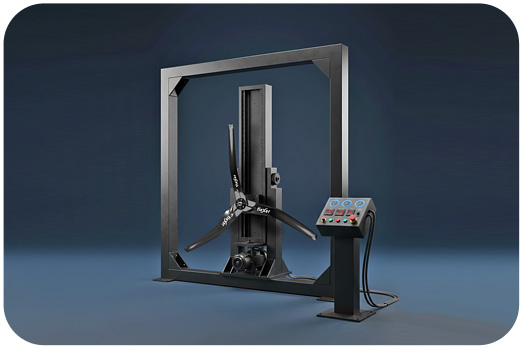
Bench Testing
We measure static and dynamic thrust, RPM, and power draw on a test rig to compare configurations and guide iterations.
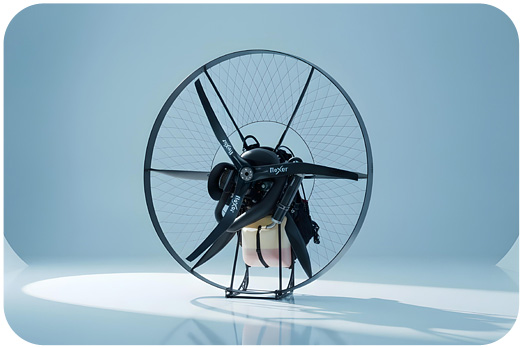
Flight Trials
Flight trials reveal real propulsion behaviour and results in typical operating conditions.

